


-

Add: HeBei ShengShi HongBang Cellulose Technology CO.,LTD.
-

Email
13180486930@163.com -

CONTACT US
+86 13180486930


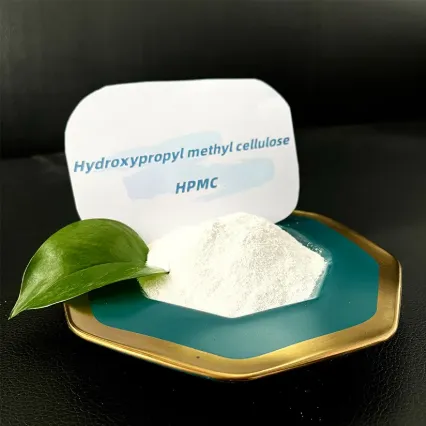


Hydroxypropyl methylcellulose (HPMC) K4M is a versatile polymer extensively utilized across numerous industries due to its functional properties. As an experienced Google SEO specialist, one must understand the intricate ways in which content centered around HPMC K4M can be optimized for search engines by emphasizing the Experience, Expertise, Authoritativeness, and Trustworthiness of the provided information. Here’s an insightful exploration of HPMC K4M’s uses, expertly crafted to highlight its various applications and benefits. HPMC K4M, a chemically modified cellulose gum, is renowned for its superior water-retaining capabilities, making it an indispensable ingredient in the construction industry, particularly in products such as tile adhesives, cement renders, and joint compounds. Its unique property of enhancing water retention helps in extending the workability time and significantly improves the performance of such products. Experts have shown that the inclusion of HPMC K4M in these materials optimizes their adhesion properties, ensuring more reliable and durable construction outcomes. In pharmaceuticals, HPMC K4M serves a cardinal role due to its non-toxic and inert characteristics. Its application in controlled release formulations underscores its importance, offering a sustained release mechanism crucial for various oral dosage forms. With a meticulously controlled viscosity, HPMC K4M enables formulators to craft tablets and capsules that release active ingredients over a specified duration, thus maximizing therapeutic efficacy and enhancing patient compliance. The authoritative use of HPMC K4M in sustained-release matrix systems is a testament to its crucial role in modern drug delivery. The food industry also capitalizes on the functional attributes of HPMC K4M, using it as a stabilizer and emulsifier. This polymer is exceptionally valued for its ability to improve the texture and shelf-life of food products . For instance, its inclusion in bakery products, like gluten-free bread, aids in maintaining moisture and structural integrity, which would otherwise be challenging to achieve. Such practical applications showcase the trust manufacturers place in HPMC K4M to meet rigorous food safety and quality standards. Cosmetic manufacturers frequently utilize HPMC K4M for its film-forming and thickening properties. Its ability to create a transparent film over the skin makes it a preferred ingredient in lotions and sunscreens, providing hydration and protection against environmental stressors. Moreover, its compatibility with a wide range of skin and hair care formulations underscores its versatility and reliability. Professionals in the cosmetic field trust HPMC K4M for its hypoallergenic and non-irritating properties, ensuring user safety and satisfaction. hpmc k4m uses The growing use of HPMC K4M in personal care products highlights its role in the formation of hair gels and styling agents, attributing to its thickening and holding capabilities. By providing an optimal balance between viscosity and flexibility, HPMC K4M allows for innovative formulations that cater to diverse consumer needs. The persistent trust in HPMC K4M by hair care experts and its verified efficacy reinforce its esteemed position in this competitive market. In manufacturing, HPMC K4M is extensively applied as a binder in paints and coatings. Its viscosity optimizes the rheological properties of paints, offering superior spreadability and finish. It enhances pigment suspension, preventing settling and ensuring uniform color distribution. Such reliable performance data decidedly positions HPMC K4M as a staple in improving the quality and durability of paints, thus establishing its paramount importance in manufacturing processes. To further epitomize HPMC K4M’s credibility, numerous authoritative research studies corroborate its efficacy and safety across applications. By consistently retaining moisture, providing controlled drug release, stabilizing food textures, and enhancing product performance, HPMC K4M demonstrates a multi-industry versatility that demands acknowledgment. In conclusion, HPMC K4M’s multifaceted applications across various sectors exemplify its indispensability and the trusted confidence placed in this polymer by industry professionals worldwide. Its proficient functionality in enhancing product performance confirms its role as an invaluable component in formulation science. Such comprehensive use and reliance emphasize the polymer’s unmatched potential and innovative prospects, marking it as a pivotal material in both current and future applications. Therefore, content strategy focused on the robust capabilities and diverse uses of HPMC K4M will be well-received, optimizing its searchability and authority across digital platforms.
- 40000tons

Production
- 20+years

Experience
- 5000+㎡

Acreage

-
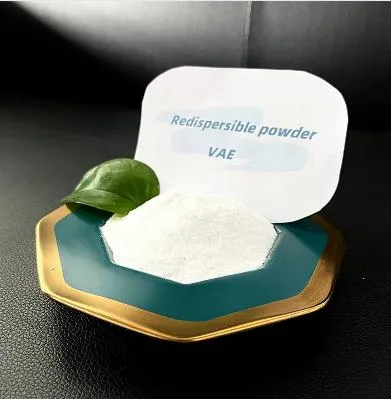
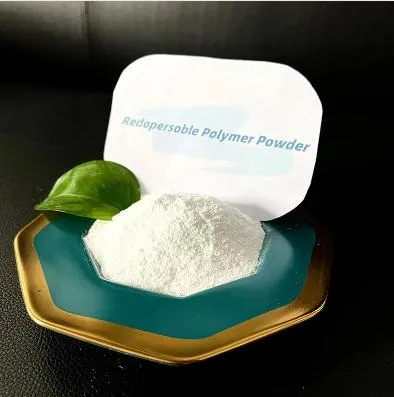
Redispergable Latex Powder An Innovative Solution in the Coating Industry In recent years, the demand for high-performance materials has driven significant advancements in various industries, particularly in coatings, adhesives, and sealants. One such innovation that has emerged is redispergable latex powder (RLP). This remarkable product has transformed the way professionals approach construction, manufacturing, and various applications where flexibility and durability are paramount. What is Redispergable Latex Powder? Redispergable latex powder is a form of polymer that can be reconstituted in water to form a stable dispersion. This biocompatible powder is created by transforming liquid latex into a dry form while maintaining its versatility and performance characteristics. When mixed with water, the powder redisperse back into a smooth, homogeneous emulsion, making it a preferred choice for many applications. Properties and Benefits The redispergable latex powder possesses several benefits that make it an attractive option for manufacturers and construction professionals 1. Ease of Use The transition from powder to liquid form allows for easier storage and transportation. The lightweight nature of RLP reduces shipping costs and enables manufacturers to stock larger quantities without requiring significant space. 2. Stability RLP is known for its excellent storage stability. This property ensures that the polymer maintains its performance characteristics over time, even when stored for prolonged periods. . 4. Performance Once reconstituted, RLP can provide high bonding strength, flexibility, and durability, which are essential qualities for coatings and adhesives. The resulting products exhibit better resistance to environmental factors such as moisture and UV radiation. редиспергируемый латексный порошок 5. Environmental Considerations As sustainability becomes a priority, redispergable latex powder offers a low-VOC (volatile organic compound) formulation, which contributes to healthier indoor air quality and reduced environmental impact. Applications The applications of redispergable latex powder are extensive, making it a valuable resource across various sectors 1. Construction In the construction industry, RLP is utilized in tile adhesives, joint compounds, and exterior coatings. Its excellent adhesion properties enhance the longevity and durability of structures, ensuring they withstand environmental stresses. 2. Paints and Coatings RLP is used in the formulation of paints and coatings, providing improved flow, leveling, and durability. This results in a final product that adheres well to surfaces, resists peeling or cracking, and provides a lasting finish. 3. Adhesives In the adhesive market, RLP offers enhanced bonding capabilities for various substrates, including wood, metal, and plastics. This versatility makes it an essential component in manufacturing processes where adhesion plays a pivotal role. 4. Textiles Redispergable latex powders are also utilized in textile coatings, providing flexibility and water resistance to fabric products, enhancing their value and functionality. The Future of Redispergable Latex Powder As technology continues to evolve, the formulations and manufacturing processes for redispergable latex powders are becoming increasingly refined. Ongoing research and development are likely to lead to new innovations that expand the functionality and application scope of these materials. In conclusion, redispergable latex powder represents a significant leap in material technology, bringing numerous advantages and applications across various industries. Its eco-friendly nature, combined with excellent performance characteristics, positions it as a vital component for the future of construction, coatings, and adhesive solutions. As businesses continue to prioritize sustainability and efficiency, the role of redispergable latex powder is expected to grow, paving the way for innovative solutions tailored to meet modern demands.
-
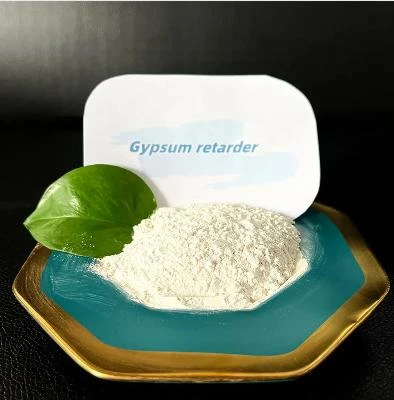
When it comes to managing dry eye diseases, particularly Meibomian Gland Dysfunction (MGD), two types of eye drops have gained significant attention - Retaine MGD and Hydroxypropyl Methylcellulose (HPMC) based lubricants. Understanding the differences, benefits, and appropriate usage of these products can significantly improve patient outcomes and enhance eye health. This comprehensive guide will shed light on Retaine MGD versus HPMC, grounded in both scientific research and real-world experiences, aimed at maximizing the efficacy of each treatment. Retaine MGD is specifically formulated to provide long-lasting relief for dry eyes associated with Meibomian Gland Dysfunction, a prevalent cause of evaporative dry eye. This preservative-free, oil-based lubricant utilizes Novasorb technology, which sustains and stabilizes the tear film by preventing evaporation. Patients often report a soothing experience as it effectively coats the eye surface, providing a barrier against moisture loss. The lipid-based composition is particularly advantageous for MGD sufferers, as it directly addresses the insufficiency of the lipid layer in the tear film, which is a core issue in MGD. In contrast, Hydroxypropyl Methylcellulose products are water-based lubricants available in various viscosities, designed to replicate and enhance the aqueous layer of the tear film. HPMC is praised for its biocompatibility and ability to retain moisture, thereby reducing friction and discomfort. While HPMC does not specifically target lipid layer deficiencies, it serves as an excellent baseline therapy for overall dry eye symptoms and for patients who may not tolerate lipid-based therapies due to preferences or specific ocular conditions. From an expert perspective, choosing between Retaine MGD and HPMC-based drops should be individualized, considering factors such as the severity of MGD, patient lifestyle, and specific symptomatology. Retaine MGD is highly endorsed for patients with explicit evaporative symptoms attributable to MGD, while HPMC can be recommended for aqueous tear deficiency or for patients seeking an immediate soothing effect without the texture of an oil-based drop. retaine mgd vs hpmc Recent studies underscore the importance of tailored therapeutic approaches. Patients participating in a clinical trial reported significant improvements in Comfort and vision stability with Retaine MGD after four weeks compared to those using traditional aqueous lubricants. Conversely, those on HPMC reported immediate relief and ease of use, with less oily residue, indicating its utility in scenarios requiring frequent application. Eyecare professionals emphasize the importance of holistic management strategies beyond choosing the correct lubricant. This involves lifestyle modifications like eyelid hygiene, regular warm compresses to encourage meibum secretion, and adjustments in environmental factors such as humidity. It is crucial for practitioners to deliver clear guidance on these adjunctive measures to enhance patient adherence and satisfaction. In conclusion, both Retaine MGD and HPMC-based lubricants serve distinct roles in the landscape of dry eye management. Their selection should be based on thorough clinical assessment and patient dialogue . Integrating a nuanced understanding of these products into treatment plans promises to elevate patient care and mitigate the challenges posed by dry eye diseases. With ongoing research and user feedback, eyecare practitioners can continue refining their approach to offer the most effective, evidence-based solutions for their patients.
advantages
-

200000 Viscosities
Excellent product
We can produce pure products up to 200,000 viscosities
-

40000 tons
High yield
We don’t stop production all year round, and the annual output can reach 40,000 tons
-

24 hours
Quality service
We provide 24-hours online reception service, welcome to consult at any time
———— Inquiry Form
Schedule A services


-
 basement_wall_reinforcement
Oct . 25, 2025
About the Author Dr. Emily Chen , PhD in Material Science with 15 years of experience in cellulose t -
 super_absorbent_polymer_powder
Oct . 25, 2025
Fiberglass reinforced polypropylene (FRPP) is revolutionizing industries due to its synergistic blen -
 is_cellulose_wood_shavings
Oct . 25, 2025
Exploring HPMC E15 A Versatile Excipient in Pharmaceutical Applications Hydroxypropyl Methylcellulos


